


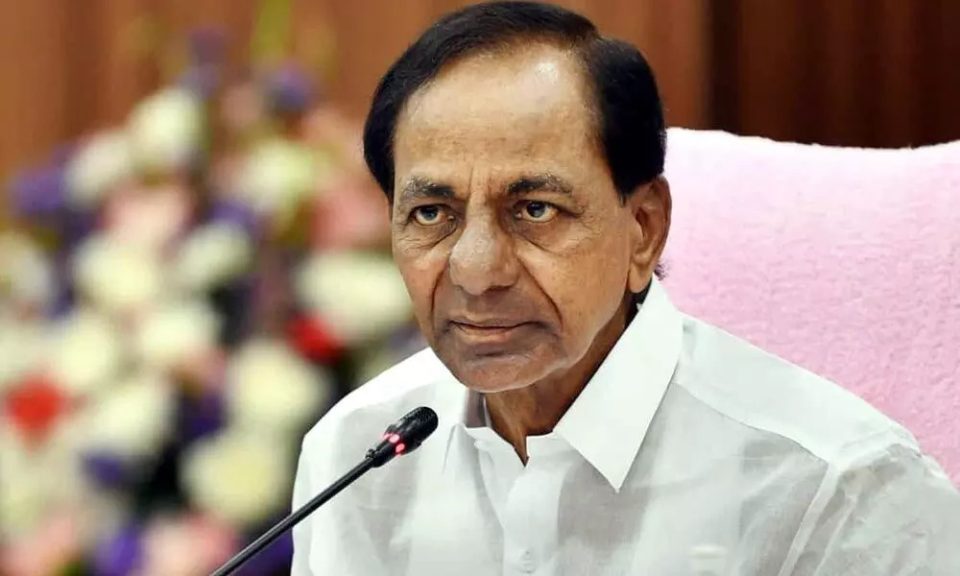
A look at the BRS founder’s prospects ahead of the 2028 Assembly elections
For most of the 2010s, Telangana politics and K. Chandrashekar Rao were nearly synonymous. He led the statehood movement, became the first Chief Minister of the new state in 2014, and won a second term in 2018. Then came December 2023, when the Congress ended the party’s decade in power. The question now being asked in Hyderabad’s tea shops and television studios is simple: can the KCR brand come back?
Where things stand
In the 2023 Assembly election, the gap between Congress and the BRS was narrow in vote share, roughly 39.4% against 37.4%, even though it translated into a clear seat advantage for Congress. The BRS then failed to win a single Lok Sabha seat in 2024. After that, KCR largely stepped back from public life, leaving much of the day-to-day political work to his son K.T. Rama Rao (KTR) and nephew T. Harish Rao.
In 2026 the signals have been mixed. In the February municipal elections, Congress won the majority of urban local bodies and roughly half of the wards counted, with the BRS in second place and the BJP third. The BRS polled around 28% of the vote statewide, according to one data analysis. Yet the BRS also took control of a number of municipalities and held on in several of its traditional strongholds, which its leaders described as proof that the party is far from finished.
Things troubling the image
- The Kaleshwaram controversy. The irrigation project built during BRS rule is now the subject of a CBI probe ordered by the state government. The BRS denies wrongdoing, but critics say the issue lets opponents keep questions about the KCR years in the headlines.
- A family split. KCR’s daughter K. Kavitha was suspended from the party in September 2025 and went on to launch her own outfit in April 2026, criticising the BRS leadership while also targeting the Congress and BJP. Analysts disagree on how much she can win, but some say she could draw votes in parts of north Telangana.
- The national pivot. Some observers argue that the 2022 renaming from TRS to BRS, with its national ambitions, weakened the party’s Telangana identity. Party figures have reportedly said there is no plan to revert, though they remain sensitive about the old name.
- A crowded field. With the Congress governing, the BJP growing in parts of the state and a new regional entrant, a four-cornered contest could reshape what share of votes is needed to win a seat. This could cut either way for the BRS.
- The generational question. KCR is in his seventies, and some commentators ask whether the brand can be carried forward by KTR and Harish Rao, who are themselves said to have different constituencies within the party.
What to watch
The next Assembly election is expected in 2028, so there is plenty of time for the picture to change. A few things will shape the outcome:
- How the Congress government performs on its promises, finances and welfare delivery.
- How the Kaleshwaram probe develops, and whether it damages or galvanises BRS supporters.
- Whether Kavitha’s party takes more votes from the BRS, the Congress or the BJP.
- Whether the BRS manages to project KCR’s return alongside a credible next generation of leadership.
- Whether the BRS takes part in a wider opposition front at the national level, an idea KTR has recently floated, or remains focused on Telangana.
But Brand KCR can do it !
The brand clearly still has pull. KCR is among the best-known political figures in the state, and the BRS retains a substantial voter base. At the same time, the party faces a larger rival in power, a family rift, a high-profile investigation and a more fragmented electorate. Whether the name alone can bridge the gap will depend less on nostalgia than on how voters judge the present government, and how convincingly the BRS answers questions about its own record. For now, both the optimism of party leaders and the doubts of their critics rest on a contest that is still two years away.